Featured
How Your Legal Rights According to State Law can Save You...
More About Comparing Debt Forgiveness Organizations to Fi...
Not known Incorrect Statements About Industry Trends for ...
Technology Makes Financial Help Easier Can Be Fun For Eve...
Everything Must Prepare For During the Debt Forgiveness Journey Can Be Fun For Everyone
Table of Contents
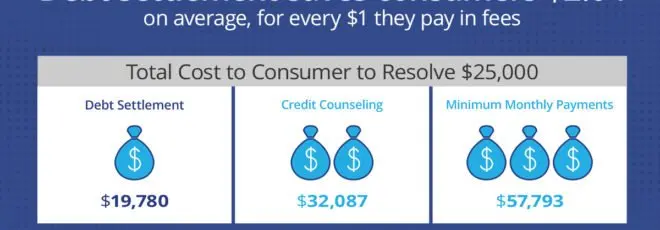
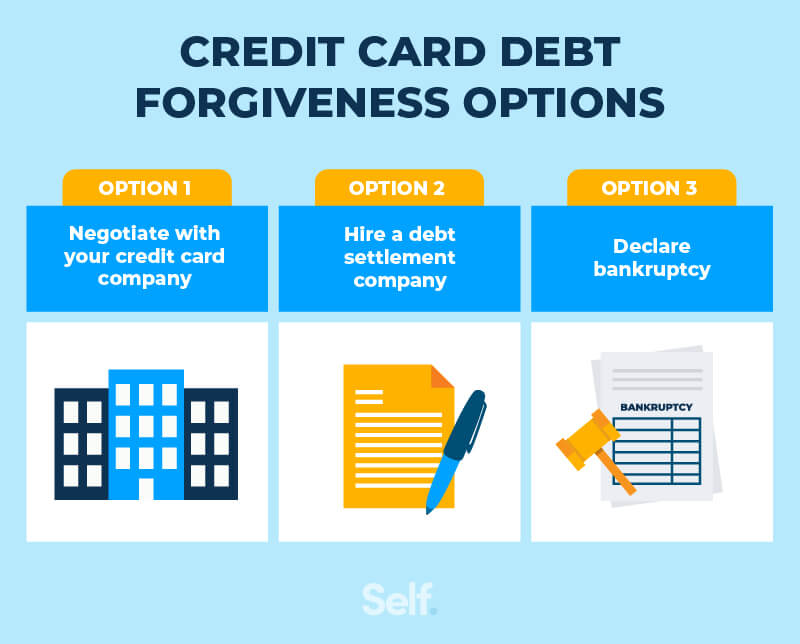
That liberates cash in the short term, and you might have 3 to four years to conserve towards the settlement amount. Very hazardous to credit rating, primarily because of missed out on repayments and an unfavorable "cleared up" mark that can remain on your credit history record for up to seven yearsMay be just option if various other choices (financial debt consolidation, balance transfer charge card, financial obligation mercy) aren't possibleTypically needs a fee to the third celebration, which can balance out some or every one of the savings from financial debt settlementMay assist you avoid insolvency if you have actually missed numerous paymentsNot all financial institutions collaborate with financial obligation settlement business Financial obligation forgiveness may be right for you if you are experiencing a financial challenge that makes it almost difficult to pay for your debt balances.
With a DMP, you make one regular monthly repayment to the credit rating counseling agency. Those funds are then distributed to creditors of your unsecured debts, such as charge card and installment finances. The company works with your lenders to lower rates of interest or forgo costs, however some financial institutions may decline such giving ins.
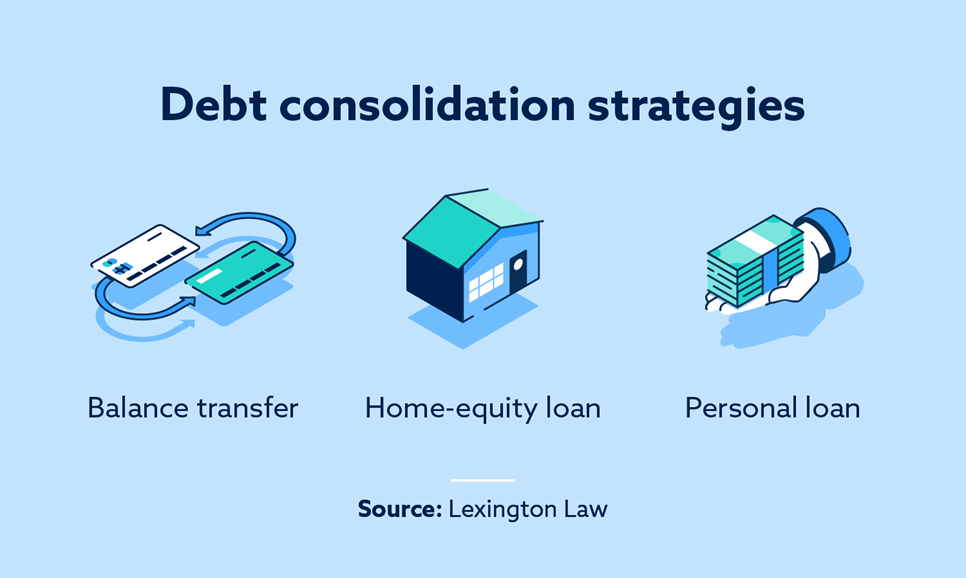
A financial debt consolidation lending combines your eligible financial debts into one brand-new financing. It can assist you pay down financial obligation if you have the ability to safeguard a funding price that's less than the ordinary rate of the accounts you're settling. However, you have to avoid from racking up financial obligation on those newly removed accounts or your financial obligation can grow even higher.
That gives you lots of time to eliminate or significantly lower your balance while making interest-free settlements.
What Does Building a Healthy Financial Plan That Lasts Do?
You may need it if your financial institution or a collection agency ever tries to accumulate on the debt in the future. When a loan provider forgives $600 or more, they are called for to send you Form 1099-C.
Financial debt forgiveness or settlement generally harms your credit rating. Anytime you work out a financial obligation for less than you owe, it might show up as "settled" on your credit score report and impact your credit report for seven years from the day of settlement. Your debt can likewise go down substantially in the months resulting in the mercy if you fall back on payments.
The Definitive Guide for Frequent False Beliefs Surrounding Housing Counseling Services : APFSC Guidance for Homeownership
Tax financial obligation concession programs Tax obligation debt happens when the amount of tax obligations you owe exceeds what you have actually paid. This circumstance typically arises from underreporting income, not submitting returns in a timely manner, or discrepancies discovered during an internal revenue service audit. The consequences of building up tax obligation debt are serious and can include tax liens, which offer the IRS a lawful case to your home as safety for the financial debt.
Greater passion rates on available debt. Salaries and Financial institution Accounts IRS can levy (confiscate) incomes and savings account to please the financial debt. Reduced income and disturbance of vital economic processes. Building Seizure In extreme cases, the IRS can seize and offer property to cover the financial debt. Loss of useful possessions and prospective displacement.
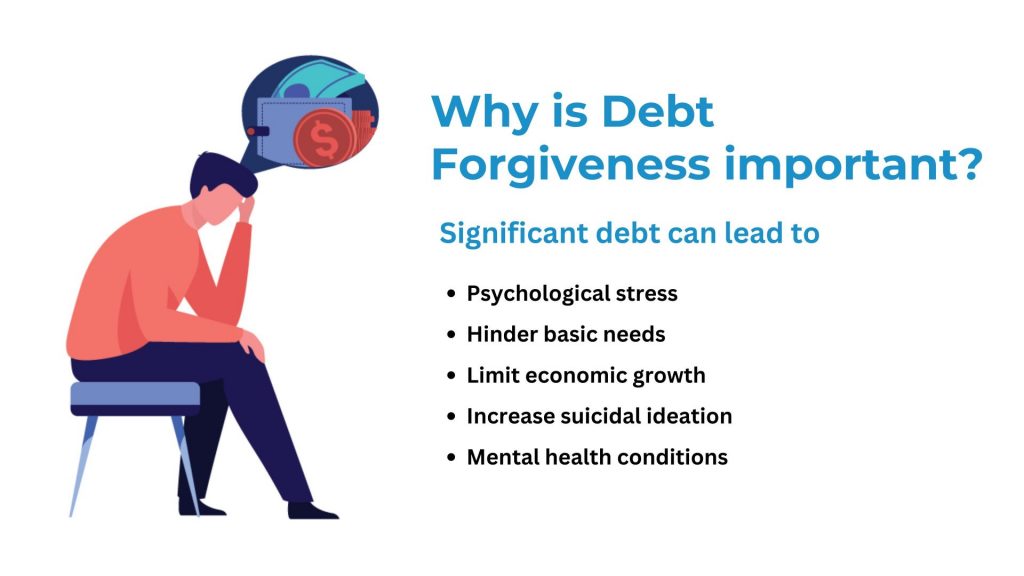
Depression, anxiousness, and other mental health and wellness concerns. Social Stigma Dealing with legal activity from the IRS can bring social stigma. Damages to online reputation and relationships. Work Opportunities A bad credit report due to exhaust financial debt can restrict job opportunity. Problem finding or keeping a task. Government Benefits Tax debt may affect eligibility for federal government benefits, such as Social Safety and Medicaid.
8 Simple Techniques For Ongoing Assistance Such as Follow-Up Programs
The OIC thinks about numerous aspects, including the taxpayer's revenue, expenditures, asset equity, and capacity to pay. Efficiently discussing an OIC can be complex, requiring a comprehensive understanding of the IRS's standards and a solid argument for why your deal lines up with your ability to pay. It's vital to keep in mind that not all applications are accepted, and the procedure requires comprehensive monetary disclosure.
The IRS assesses your general economic scenario, including your revenue, costs, possession equity, and capacity to pay. You need to also be existing with all declaring and settlement demands and not remain in an open personal bankruptcy case. The internal revenue service additionally considers your compliance background, assessing whether you have a record of timely declaring and paying tax obligations in previous years.
The Ultimate Guide To How APFSC Work with Individuals
The application procedure for a Deal in Compromise involves several thorough actions. Initially, you have to finish and send internal revenue service Kind 656, the Offer in Concession application, and Form 433-A (OIC), a collection information statement for people. These kinds require comprehensive monetary details, including details concerning your revenue, financial debts, expenses, and possessions.
Back taxes, which are unpaid tax obligations from previous years, can substantially enhance your overall IRS debt if not resolved quickly. This financial obligation can accrue rate of interest and late payment penalties, making the initial amount owed much larger in time. Failure to pay back tax obligations can cause the internal revenue service taking enforcement actions, such as issuing a tax lien or levy against your residential property.
It is essential to deal with back taxes asap, either by paying the total owed or by organizing a settlement plan with the internal revenue service. By taking proactive actions, you can stay clear of the buildup of additional passion and penalties, and prevent more hostile collection actions by the IRS.
One common reason is the idea that the taxpayer can pay the total either as a round figure or via a layaway plan. The IRS also thinks about the taxpayer's earnings, expenses, asset equity, and future earning capacity. If these factors show that the taxpayer can afford to pay more than the provided quantity, the IRS is likely to deny the deal.
The 9-Second Trick For Expert Guidance Protects Your Home
It is critical to give accurate and total info in your application and to seek advice from with a tax specialist to improve the possibilities of acceptance. Taking care of internal revenue service financial debt can be complex and daunting. Tax obligation experts, such as Certified public accountants, tax obligation lawyers, or enrolled agents, can offer invaluable aid. They have the competence to browse the complexities of tax obligation law and IRS procedures.

Table of Contents
Latest Posts
)
How Your Legal Rights According to State Law can Save You Time, Stress, and Money.
More About Comparing Debt Forgiveness Organizations to Find the Ideal Match
Not known Incorrect Statements About Industry Trends for Bankruptcy Counseling and Debtor Options
More
Latest Posts
How Your Legal Rights According to State Law can Save You Time, Stress, and Money.
More About Comparing Debt Forgiveness Organizations to Find the Ideal Match
Not known Incorrect Statements About Industry Trends for Bankruptcy Counseling and Debtor Options